

Why Healthcare Credentialing Shapes Provider Success
Starting a new healthcare role involves more than treating patients. Every provider must complete healthcare credentialing before many organizations and insurance plans allow patient care or claim submission. Missing documents or delayed reviews can slow a provider’s start and postpone reimbursement. One new physician accepted a position but waited several weeks because an important verification was still pending.
This guide explains the healthcare credentialing process in clear and simple steps. You will learn what documents are needed, how verification works, and what common mistakes delay approval. It also shares practical tips to help with healthcare credentialing for providers and improve preparation before applying. Understanding the process early helps providers stay organized, reduce delays, and begin serving patients with greater confidence.
Every provider starts with verified credentials
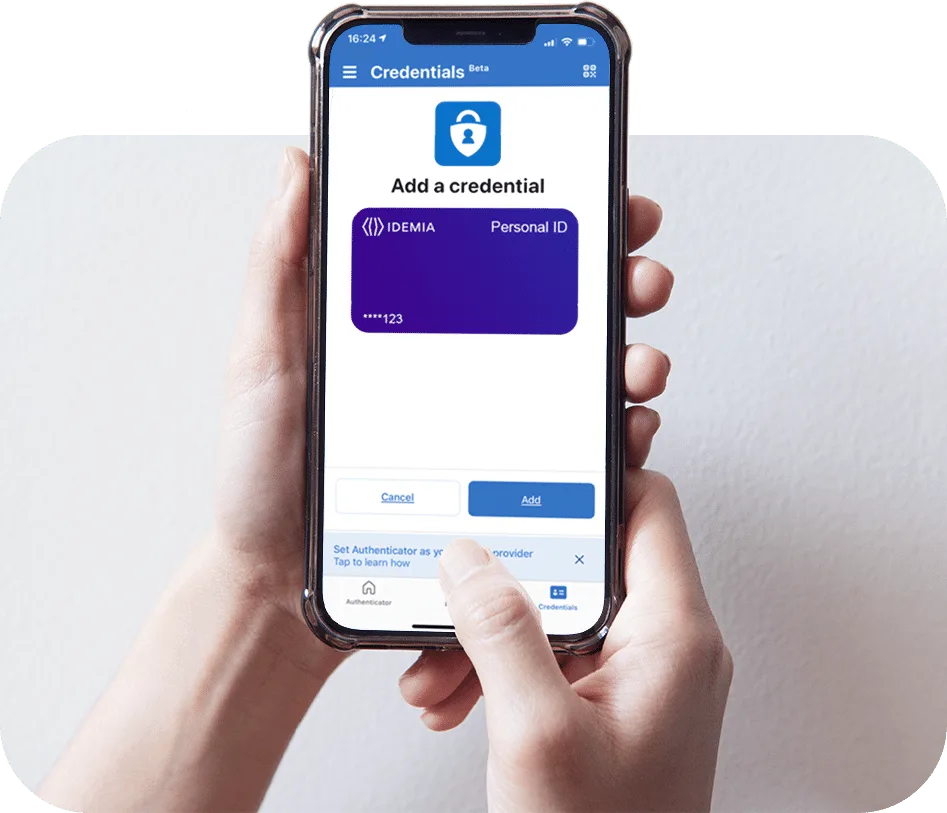
Every healthcare provider begins with verified qualifications before treating patients. This step confirms education, licenses, training, and professional history. It is much more than paperwork because every record must be checked for accuracy. Credentialing Verification Services help confirm that important information is complete before providers move through the approval process. This careful review supports patient confidence and demonstrates the healthcare credentialing importance for both providers and healthcare organizations.
Verification also plays an important role in healthcare quality. Accurate records reduce delays and help organizations make informed decisions before providers begin work. Many medical credentialing services organize documents and manage the review process from start to finish. Healthcare provider credentialing services also help providers keep records current and prepare complete applications. A strong foundation at the beginning supports smoother onboarding and fewer problems later.
Essential Records Every Provider Must Prepare
Preparing the right documents before applying can save time and prevent delays. Missing or outdated records often stop an application until corrections are made. One provider delayed approval because an expired license copy was submitted instead of the current version. Following a healthcare credentialing requirements guide helps providers stay organized and improve first time application success.
- Current professional license.
- Government photo identification.
- Education and training certificates.
- Board certification documents, if required.
- Complete work history.
- Professional resume or curriculum vitae.
- Malpractice insurance information.
- National Provider Identifier details.
- Drug Enforcement Administration registration, if applicable.
- Professional references when requested.
- Required disclosure forms.
Many insurance credentialing services review these documents before submission to reduce errors. Healthcare Enrollment Services also helps providers organize paperwork and prepare complete applications for faster processing.
Every Stage Inside Modern Credentialing Workflow
The credentialing journey follows a clear process from application to final approval. Each stage has an important purpose and must be completed carefully. Understanding the workflow helps providers prepare for each step and avoid unnecessary delays during the review.
Gather And Submit Documents
The Healthcare Credentialing Process begins with collecting required records. Providers submit licenses education certificates work history insurance details and other supporting documents. Complete and accurate paperwork helps the application move forward without repeated requests for missing information.
Verify Provider Information
After submission every important record is reviewed. Education licenses employment history and certifications are checked with trusted sources. If any information is incomplete the provider may be asked to provide updated documents before the review continues.
Complete Enrollment Requirements
Once verification is finished many providers continue with Provider Enrollment and Credentialing. This step allows approved providers to join insurance networks and prepare for claim submission according to payer requirements.
Receive Final Approval And Ongoing Support
After every requirement is complete, the provider receives final approval. Many organizations also use Healthcare Credentialing Support Services to monitor renewals update records and help keep credentialing information accurate throughout the provider’s career.
Building Faster Approval Through Smart Planning
Good planning makes the credentialing process easier to manage. Providers who prepare early often avoid common delays and repeated document requests. Following Healthcare Credentialing Best Practices helps improve accuracy and keeps applications moving from one stage to the next. Many medical credentialing services also support providers by organizing records and reducing documentation errors before submission.
Organize Documents Before Submission
Collect every required document before starting the application. Keep licenses certificates insurance records and work history up to date in one secure location. A new provider once delayed approval because an old license copy was submitted by mistake.
Track Every Verification Requirement
Create a checklist to monitor each verification step from start to finish. Follow up quickly when additional information is requested and review application progress regularly. Many Credentialing Verification Services use tracking systems to monitor document status and identify missing records early.

Credentialing And Enrollment Work Side By Side
Credentialing and enrollment are closely connected but they serve different purposes. Healthcare Credentialing and Enrollment often happen one after the other because both are needed before many providers can treat patients and receive payment. Credentialing checks education licenses training and work history. Enrollment allows approved providers to join insurance networks and bill covered services. Together, these processes also support revenue cycle management services by helping providers avoid payment delays.
A real example shows why both steps matter. A provider completed credentialing and started seeing patients but claim payments were delayed because insurance enrollment was still pending. Provider Enrollment Services help providers complete payer applications and submit the required information. Payer Enrollment Services also work with insurance companies to confirm provider participation. Completing both processes helps reduce billing delays and supports a smoother start for healthcare practices.
Common Obstacles Providers Face During Approval
Many providers face delays even when they prepare carefully. Most problems come from incomplete records or slow responses during the review process. Knowing these challenges early helps reduce risks and supports a smoother approval experience.
Missing Information Creates Delays
Incomplete applications are one of the most common reasons for delays. Missing licenses outdated insurance records or incorrect work history can stop the review process. A provider once forgot to include a renewed certification and the application remained on hold until the updated document arrived. Many Provider Credentialing Services recommend reviewing every record before submission. Healthcare Credentialing Support Services also help organize documents and reduce avoidable mistakes.
Verification Requests Need Quick Response
Verification teams may ask for additional records or clarification during the review. Delayed responses can slow approval even when the original application is complete. Providers who reply quickly help keep the process moving. Staying organized and checking messages regularly makes Insurance Credentialing for Providers easier and also supports the prior authorization process by keeping provider information accurate and up to date.
Why Credentialing Protects Patients And Practices

Credentialing protects both patients and healthcare organizations by confirming that providers meet professional standards before delivering care. This review checks education licenses training and work history to help reduce avoidable risks. Patients often feel more confident when they know their provider has completed a careful review. Many Healthcare Credentialing Services support this process by helping organizations maintain accurate provider records and meet compliance requirements.
Strong credentialing also supports long term success for healthcare practices. It helps organizations make informed hiring decisions maintain quality standards and prepare for insurance participation. A medical group once avoided a hiring delay because provider records were already complete and verified. Credentialing for Healthcare Organizations creates a more organized approval process while Physician Credentialing Services help providers keep qualifications current and ready for future reviews.
Expected Timelines From Start To Final Approval
The credentialing timeline can vary for every provider. The process depends on document accuracy verification response times payer requirements and application volume. A clear Healthcare Credentialing Process Guide helps providers understand each stage and prepare for realistic approval expectations. Good planning often reduces unnecessary delays.
A provider once submitted complete records before joining a new practice. Because every document was accurate and verification requests were answered quickly the review moved forward without major delays. In contrast another provider experienced a longer review after missing an updated license renewal. Many Healthcare Enrollment Services recommend preparing all records before applying to avoid similar problems. Experienced Provider Credentialing Services also help track application progress organize required documents and respond quickly to verification requests which supports a smoother approval process.
Digital Changes Reshaping Credentialing Operations
Technology is changing the way credentialing is managed. Digital systems help reduce paperwork improve record accuracy and make tracking easier. These changes support a faster Healthcare Credentialing Process while helping providers and healthcare organizations stay organized and meet evolving hospital credentialing requirements more efficiently.
Automated Verification Technologies
Many Credentialing Verification Services now use secure digital platforms to collect documents track applications and compare provider records with trusted databases. A healthcare practice that replaced paper files with digital records found missing documents much faster and completed reviews with fewer delays. Automation supports accuracy but trained professionals still review important decisions before approval.
Continuous Compliance Monitoring
Modern credentialing does not stop after approval. Many organizations monitor license renewals certifications and other records throughout a provider’s career. This ongoing review helps identify changes before they create compliance issues. Following Healthcare Credentialing Best Practices such as keeping digital records current and tracking renewal dates helps providers avoid unexpected delays and stay prepared for future reviews.
Strong Credentialing Creates Lasting Practice Growth
Good credentialing does more than meet compliance requirements. It helps healthcare practices build a strong foundation for long term success. Accurate provider records reduce delays improve payer participation and support steady cash flow. One growing clinic expanded its team with fewer onboarding problems because every provider completed the required paperwork before the start date. Many Medical Credentialing Services help practices maintain this level of organization.
Strong credentialing also supports a better reputation with patients insurance plans and healthcare partners. Fewer application errors mean fewer billing delays and smoother daily operations. Provider Credentialing Services help practices keep provider information current while reducing administrative work. As a practice grows Healthcare Credentialing Support Services can help manage renewals monitor records and keep the credentialing process organized for every new provider.
Simple Habits That Keep Credentials Current
Keeping credentials current is just as important as earning them. Small routine checks help providers avoid expired records and unexpected delays. Following a regular schedule supports long term compliance and makes future reviews much easier.
Schedule Renewal Activities Early
Do not wait until the last week before a renewal deadline. Review license and certification dates throughout the year and set reminders well in advance. A provider once missed a renewal date by only a few days which delayed payer updates and created extra paperwork. Following a Healthcare Credentialing Requirements Guide helps providers stay organized and prepared.
Monitor License And Certification Updates
Check that every license certification and professional record remains accurate after each renewal. Update employers payers and other organizations whenever important information changes. Good record management supports Healthcare Credentialing for Providers and reduces problems during future reviews. Many Physician Credentialing Services also help providers monitor renewal dates and maintain accurate credential records over time.
Final Thoughts Before Your Credentialing Journey
A successful Healthcare Credentialing process begins with good planning and careful record keeping. Complete documents, timely responses, and regular updates help reduce delays and support smoother approvals. Understanding each step also helps providers prepare for enrollment, verification, and ongoing compliance with greater confidence through Medix Orbit.
Keep your licenses certifications and professional records current. Review every application before submission and respond quickly to verification requests. Many Healthcare Credentialing Services help providers stay organized and reduce administrative challenges throughout the process. As your career grows Healthcare Credentialing Support Services can also help manage renewals maintain accurate records and support long term compliance.
Helpful Questions Readers Ask Most Often
Many providers have similar questions after learning the basics of Healthcare Credentialing. These answers explain common situations that may affect approval timelines and daily practice. They also help readers prepare for future credentialing needs. Use these quick answers as a helpful reference during the process.
Usually no. A new employer often completes its own review and verification. Some existing documents may still be reused if they remain current and valid.
Expired credentials may delay enrollment or stop the approval process. Providers should renew documents quickly and submit updated records to avoid unnecessary interruptions or reviews.
Small practices can stay organized with digital records, checklist renewal reminders, and experienced provider enrollment services that help manage paperwork and important application deadlines.
Missing documents, expired licenses, incorrect work history, incomplete applications and delayed responses to Credentialing Verification Services are among the most common reasons for review problems.
The schedule depends on payer requirements, employer policies and licensing rules. Providers should review and update records regularly to maintain accurate credential information.