

Trust starts before a provider meets a patient. That is why credentialing is important in healthcare matters today. It helps clinics review provider records before work begins. The process gives teams a clear way to check roles and basic needs. It also supports better order inside busy care settings. This can help reduce doubt when new staff join.
The importance of credentialing is not just about forms. It helps health groups keep their work clear and planned. For example, a clinic may review files before adding a new doctor. This helps the team stay ready for daily care needs. It also supports healthcare provider verification in a simple and steady way. That can make the process feel less stressful.
Entry Barriers That Decide Who Can Treat Patients

Healthcare works best when access to care roles has a clear gate. The importance of credentialing starts here. A provider should pass basic checks before joining a clinic or hospital. This gate system helps teams review training history and role fit before patient contact begins. It keeps the process clear for staff leaders and care teams.
Healthcare provider verification works like a front desk for trust. It helps confirm that each person has the right record for the role. This supports patient safety credentialing in a simple way. For example, a hospital may review files before a doctor starts rounds. That step helps reduce avoidable doubt and keeps care teams more ready.
Academic Background Screening In Healthcare Hiring
Academic checks help hospitals review if a provider has the right study record. For example, a hospital may check a doctor’s file before a unit role starts. The team reviews school details and training history. This gives hiring staff a clearer view. It also helps them place each person in a fitting care role with less doubt.
License Validation Across State Medical Boards
License review helps hospitals check if a provider can work in the needed location. For example, a clinic hiring a doctor from another state may review license details first. The team checks the active record before the start date. This step helps leaders avoid role mismatch. It also keeps hiring clear before the provider meets patients, which is reflected in insights from rcm audit results that highlight how structured review processes support compliance and accuracy in healthcare operations.
Why Insurance Systems Reject Unverified Providers
Insurance systems use provider checks to manage billing risk. The importance of credentialing shows when a payer reviews whether a provider is known in its network. Without this review, a claim may face a hold or denial. This protects the payer from unclear records and helps keep payment steps more controlled.
Healthcare provider verification also supports cleaner claim flow. For example, a clinic may submit a bill for a new doctor before payer setup is complete. The insurer may reject it until the records match. This connects with patient safety credentialing in a broad way. It helps each system confirm who gave the service before payment moves.
Safety Layers That Protect Patients In Clinics
Patient safety credentialing works like a safety net in clinics. It helps teams review provider records before care starts and supports clear daily work.
- Provider Record Checks
Clinics review provider files before assigning care roles. This shows the importance of credentialing because teams need clear records before a provider joins patient care. - Role Fit Review
A clinic may check if a provider fits the needed service area. This helps avoid role confusion and keeps the care process more steady. - Team Readiness
Credential checks help office staff and care teams know who is cleared for each role. This makes daily clinic work feel more planned. - Patient Trust Support
The benefits of credentialing appear when patients see a clinic working with care. Clear checks help build trust without making the process complex. - Ongoing File Updates
Clinics may review files again when records need updates. This safety layer helps the team keep provider details current and clear.
Preventing Unqualified Clinical Practice
Clinics use record checks before giving a provider active care duties. For example, a clinic may pause a new staff file until training details are reviewed. This helps leaders avoid placing the wrong person in a care role. It also gives the team more clarity before patients meet that provider in a real visit.
Ensuring Ethical Medical Standards Compliance
Ethical checks help clinics keep care roles clear and fair. For example, a hospital may review past work history before adding a doctor to a unit. This helps leaders spot concerns early and guide the next step. It also supports a more trusted workplace where staff know each role has been reviewed.
Step Sequence That Governs Provider Approval Journey
The importance of credentialing becomes clear during provider onboarding. Each step moves the file from basic entry to final approval on a clear and steady path.
Step 1: Provider Registration Submission
The provider first sends basic details and work records. For example, a new clinic doctor may submit identity files, training records, and role details before the review starts.
Step 2: Identity And License Cross Check
The team reviews identity and license details against trusted records. This healthcare provider verification step helps confirm that the person matches the submitted file.
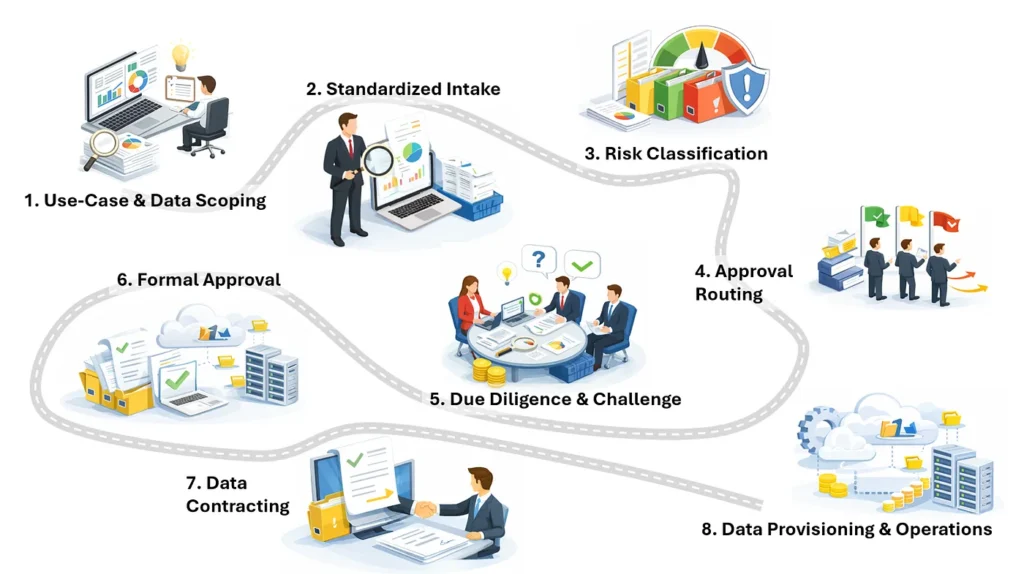
Step 3: Insurance Network Validation
The payer side may review if the provider can join its network. For example, a clinic may wait for this step before linking claims.
Step 4: Final Review And Decision Outcome
A review team checks if all needed records are complete. The benefits of credentialing appear when the final choice is based on a clear file.
Step 5: Activation Into Healthcare Network
After approval, the provider can move into the needed system role. A hospital may then add the provider to schedules, teams, and billing records.
Compliance Rules That Shape Healthcare Standards
The importance of credentialing appears when health teams need clear records for review. Compliance rules help clinics keep files ready. They also support audit steps when leaders must show how each provider was checked.
- Provider File Review
Health groups keep provider records in order before approval. For example, a clinic may store license work history and role details in one file for review. - Identity Match Check
Teams confirm that provider details match the submitted record. This healthcare provider verification step helps avoid file mix-ups during hiring and system entry. - Role Approval Rules
Each provider should match the role they receive. A hospital may review a doctor’s file before adding that person to a care unit. - Audit Ready Records
Good files help teams respond during internal checks. The benefits of credentialing show when leaders can find records fast and explain each approval step. - Ongoing Record Updates
Provider files may need updates over time. Clinics often review records again when a role changes or a new approval step is needed.
Risks Hospitals Face Without Proper Verification
Missing checks can create real stress for hospital teams. Patient safety credentialing helps reduce doubt before roles begin. Without clear review steps, hospitals may face work gaps, weak records, and harder review questions, which is why structured systems like medical ar solutions are used to improve accuracy, reduce errors, and support smoother administrative workflows.
Wrong Role Assignment
A provider may get placed in the wrong care area. This can confuse staff and slow down daily work. The importance of credentialing shows when teams must match skills with roles.
Weak Internal Records
Missing files can make review steps harder. For example, a hospital may struggle to explain one approval if the records were never checked or stored well.
Operational Delays
Incomplete checks can slow down onboarding schedules. A new doctor may wait longer before joining a unit. This can affect staff plans and patient flow.
Liability Concerns
Hospitals may face hard questions when provider records are unclear. The benefits of credentialing include better proof that leaders used a careful review process.
Lower Staff Trust
Care teams need to know each person has a clear role. Weak checks can create doubt among nurse managers and other doctors during daily work.
Systems That Manage Provider Data And Records

Digital systems help teams keep provider files in one place. Healthcare provider verification becomes easier when records are stored and tracked with clear steps. Tools like CAQH and other shared data systems can reduce repeat file requests. Like if a clinic may update one profile so payer teams can review the same provider details faster.
The importance of credentialing also grows when teams handle many providers. Manual files can get missed or delayed. Digital tracking can show missing items and renewal dates. The benefits of credentialing include better workflow and less stress for staff. A hospital team can follow each file from first review to final approval with more control, which is also supported by structured systems like authorization revenue control that help improve oversight and streamline administrative processes.
Centralized Provider Data Platforms
Centralized data platforms help teams store provider files in one place. A clinic can use one profile for work history, license details, and role notes. This makes the review path easier for staff. It also helps reduce repeat file requests. The team can find records faster when a payer or hospital asks for details.
Automated Verification Tracking Systems
Automated tracking systems help teams follow each file step. Staff can see missing forms review dates and pending items without checking paper folders. For example, a hospital team may get a system alert before a record needs review. This keeps the workflow steady. It also helps staff avoid last-minute file issues.
How Credentialing Affects Hospital Revenue Flow
Hospital revenue can slow when provider files are not ready. The importance of credentialing shows when billing teams need clear approval before claims move forward. For example, a hospital may add a new doctor to a unit. Yet payment steps may pause if provider records still need review or payer setup.
The benefits of credentialing also appear in cleaner revenue work. Strong file checks help billing teams avoid gaps in provider data. Healthcare provider verification gives staff a clear record to use across systems. When details match, early hospitals can reduce back-and-forth work. This helps teams keep billing steps more steady and less stressful, which contributes to overall operational strength as highlighted by rcm financial stability in the context of maintaining efficiency in healthcare revenue processes.
Why Strong Verification Systems Shape Healthcare Future
Strong checks help health groups build a more trusted future. This is why credentialing is important in healthcare today. It gives teams a clear way to review provider records before roles begin. For example, a growing hospital may use a set review path before adding doctors to new units. That simple order supports safer choices.
The benefits of credentialing also reach daily work. Leaders can manage file roles and review steps with more care. The importance of credentialing becomes clear when clinics grow or add new service lines. Strong systems help teams stay ready for audits, payer review, and patient trust. In the future, clear checks will matter even more, especially as healthcare organizations adopt more structured compliance solutions like Medix Orbit to support accuracy, scalability, and long-term operational reliability.
FAQS
Hospitals often ask for identity records, license details, training proof, work history, and insurance details. Requirements can vary by hospital policy.
The importance of credentialing is clear in hospital access. It helps review physician records before patient care roles begin.
Credentialing checks the provider’s background. Privileging decides what services the provider may perform inside the hospital based on approved records.
Applications may be delayed or denied due to missing records, expired documents, unclear work history, or details that do not match.
Approval time depends on file quality, hospital review steps, and payer needs. Complete records can help the process move more smoothly.